
Prairie Fire Gaming’s inaugural megagame brought 90 players together for an unforgettable experience of international diplomacy, alien encounters, and global crisis management.
Watch the Skies was an eight hour megagame about the arrival of aliens on planet Earth. A mix of semi-cooperative role-playing, board gaming, diplomacy, and puzzles, players represented eight human nations, three media organizations, and a large alien team sequestered away from the rest of the action, free to deviously—or benignly—plan how they would influence Earth.
Each human nation had five players: Head of State, Deputy Head of State, Ambassador, Chief of Defense, and Chief Scientist. Together they navigated not only their own national aims, but also the interests of other countries and the extraterrestrial visitors who had arrived on Earth.
Played over a decade of game time, players saw the results of their actions and how the world changed.
It was chaos.
As it should be.
This is seriously burned into my psyche; one of the most intense but fun and low-risk experiences I've had since high school 20+ years ago. Reminded me of the best summer camps and immersion experiences. I imagine preparing for and running the game were everything I loved about being a camp counselor that one summer. I just loved it.
HypnoWars CorrespondentPlease do this again. When I got home I was exhausted, I had started to get a migraine, my dog had gotten out of her kennel, and there was a crazy mess to clean up as a result. I didn't care. I was in too good of a mood from having so much fun. Do quit your day jobs. This is what you were meant to do.
U.S. Ambassador to the United NationsThank you very much for doing this in our area and helping make Fargo an even more fun place for the nerdy set.
Premier of China10/10. Would share fish with aliens again!
German ChancellorI want to do it again. Like next week, or as often as possible.
Australian Secretary of DefenseI just want to thank you again for the amount of enjoyment I got out of this experience. I will for sure do it again next time.
French Prime MinisterAfter-Action Report
When the aliens arrived, it was a fascinating case study in reactions. An amazing display of human stubbornness to continue to pursue previous ends, as if a game-changer had not occurred—as if they saw the visitation of aliens as merely a profitable distraction by which they could catch the rest of the world unawares.
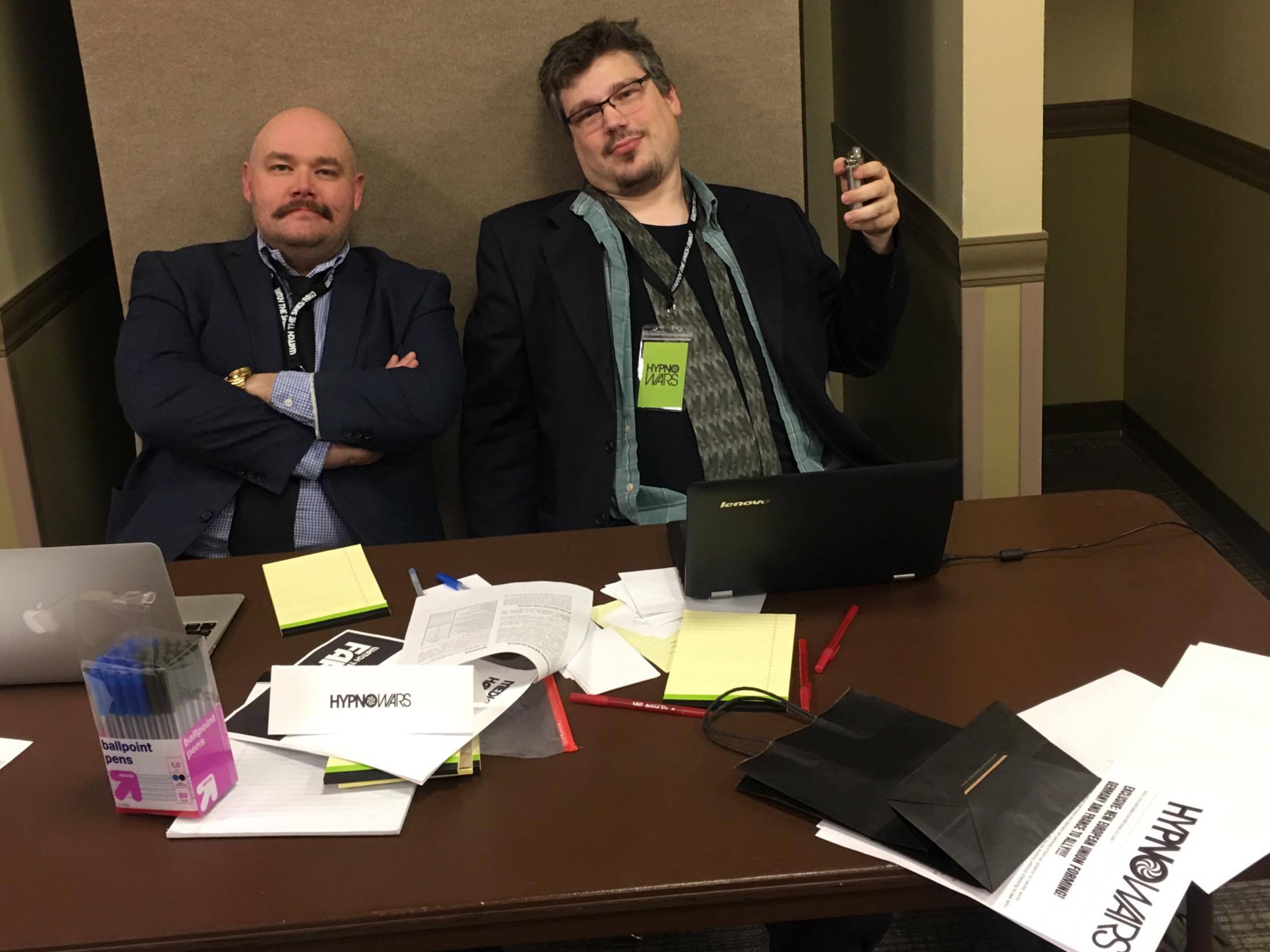
The three media organizations—Eclipse News, HypnoWars, and National News Network (NNN)—documented every twist and turn.
What follows is their story.
The Beginning: First Contact and Early Tensions
The game opened with familiar geopolitical maneuvering. China and Russia affirmed their alliance while a new European Union formed between Germany and France, leaving the UK conspicuously excluded. Brazil, already feeling kicked around by wealthier nations, found itself at odds with the UK and others over scientific consultant bidding.
Then came the confirmation everyone had been waiting for: Russia downed a flying saucer over Mozambique.
I CAN'T BELIEVE THIS IS REAL: Russians Down Flying Saucer in Mozambique
National News NetworkMaputoThe world would never be the same.
As alien artifacts began appearing across the globe—in South America, Africa, and beyond—nations scrambled to secure them. Brazil discovered relics in the Amazon that were confirmed to be “not made on planet Earth.” Japan made parallel discoveries in Venezuela. The global research community pivoted from South America to Asia and Africa as new sites were identified.

But the artifacts brought consequences. A mysterious illness—initially thought to be Alzheimer’s-like—began spreading. Reports from Saudi Arabia described officials developing strange behaviors and blue complexions. YouTube videos raised questions of extraterrestrial involvement. The Saudi monarchy mobilized forces, closed borders, and allegedly implemented mandatory genetic testing.
The Middle: The Capgras Delusion and Fractured Alliances
The illness had a name: The Capgras Delusion. Victims believed their loved ones, friends, and coworkers had been replaced by impostors. The United States had undisclosed information about the outbreak. Japan confirmed it originated in Russia and announced they were “increasingly afraid that this disease has affected the Russian Government.”
Brazil became a flashpoint. After a Brazilian spy was caught in the UK, tensions exploded. Brazil was accused of attempting to steal nuclear technology and ordering the assassination of Burma’s Head of State to frame China. The UK formally condemned Brazil, though Japan attempted to normalize relations between the feuding powers.
Meanwhile, Germany and France announced free utilities—including internet access—for their citizens, claiming breakthroughs from military R&D. The UK shared solar panel technology with the world. India stood on the verge of a clean energy revolution.
But beneath the veneer of progress, paranoia festered. Thailand extremists bombed Russian barracks at the Olympic Village. Markets crashed across the globe. Civil unrest erupted—riots in Brazil, protests in Canada. Someone was pulling strings, and fingers pointed in every direction.
MARKETS CRASHING ACROSS THE GLOBE!!!
HypnoWarsThe aliens, it turned out, had their own factions. Saudi Arabia was confirmed to have been infiltrated—the king overthrown and led away by aliens, rambling about a library. A government assistant reported that aliens had embedded themselves throughout the Saudi government.
Escalation: Space Bases and Declarations
Japan’s advanced telescopes confirmed what many suspected: alien bases existed on both the Moon and Mars.
Japan spots alien bases on Mars and the moon
Eclipse QuarterlyThe news triggered a diplomatic crisis. Russia announced it would allow aliens to build a base on its soil, supported by a global coalition of China, Germany, and France. But not everyone was on board. Japan and the UK grew increasingly militant, viewing any alien presence on Earth as an invasion force.
NNN reported that Russia was colluding with aliens. Eclipse News revealed an international coalition was building a megaweapon from recovered alien relics. HypnoWars—whose market share skyrocketed while competitors struggled—maintained a skeptical editorial line, questioning whether Earth’s leaders had been compromised.
The UN attempted to respond. A joint press conference revealed three alien factions: one hostile, one neutral, and one attempting to collaborate. The aliens made demands: draw down nuclear arms, unite under one Earth banner, and allow them to remove “harmful artifacts” from the planet. In exchange, they promised to resume communications.
France led the charge for a Global Space Agency. India proposed a planetary defense shield.
India proposes global defense shield to protect Earth from hostile aliens
HypnoWars New DelhiBut trust was nonexistent.
The Breaking Point: Siberia and Nuclear War
Everything came to a head over the Siberian excavation.
Mad scramble for Siberia excavation, world powers at odds
Eclipse Quarterly SevastopolBeneath the permafrost lay a structure larger than any human-made building—”a sprawling fortress packed with alien technology” that had been there for centuries. This was why the aliens had come. Russia moved to excavate it. A coalition of nations, led by the UK and US, tried to stop them.
The excavation succeeded. Russia launched the recovered device into orbit.
But the geopolitical situation was spiraling out of control. The UK attempted to infiltrate the alien base in Antarctica and steal technology. France, supposedly allied with the aliens, launched an assault on that same base. The aliens declared war.
In response to perceived alien aggression—and French betrayal—Japan and the UK made their move. Claiming the aliens were “inherently manipulative and invasive,” they launched nuclear weapons at the Moon and Mars bases.
LAUNCHES CONFIRMED: NUKES LAUNCHED TOWARD MOON; MARS
National News NetworkThe US, working with corporate allies, had attempted to scramble French and British launch codes to prevent exactly this outcome. They succeeded in disabling the UK’s missiles. France claimed to have lost their launch codes entirely.
But they couldn’t stop everyone. China aggressively launched nuclear weapons at the aliens, significantly damaging—and ultimately destroying—an alien terraforming ship.
Russia was censured in the UN. Nations accused each other of treachery. France threatened to attack the UK and Japan to “defend” aliens. India warned, “The people should be afraid.”
In a desperate final move, the UN consolidated control of all nuclear arsenals under one global authority.
The Aftermath
When it was over, humanity had survived first contact—barely.
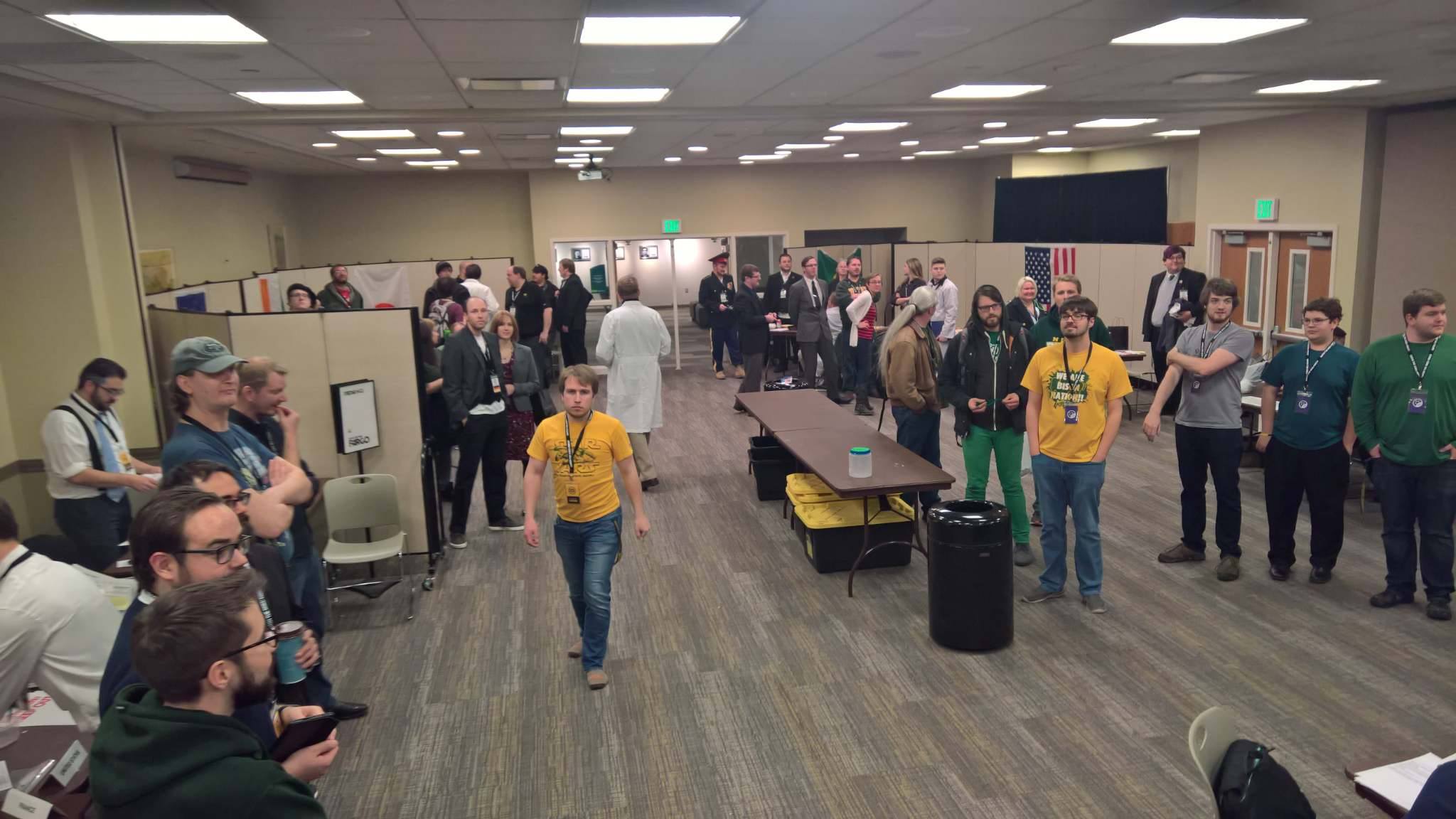
Some highlights from the chaos:
- An ambassador was reportedly “having a fling with the aliens”
- Russia launched an artifact-laden missile into the sun for reasons that remained unclear
- That ambassador actually was “having a fling with the aliens”
- Someone nuked the Moon because they were “bored”
- NDSU beat San Diego 38-3
- The UK played the entire game without tea (a travesty)
- Eclipse News confirmed they’d been in possession of advanced satellite technology all along
- NNN never found Waldo
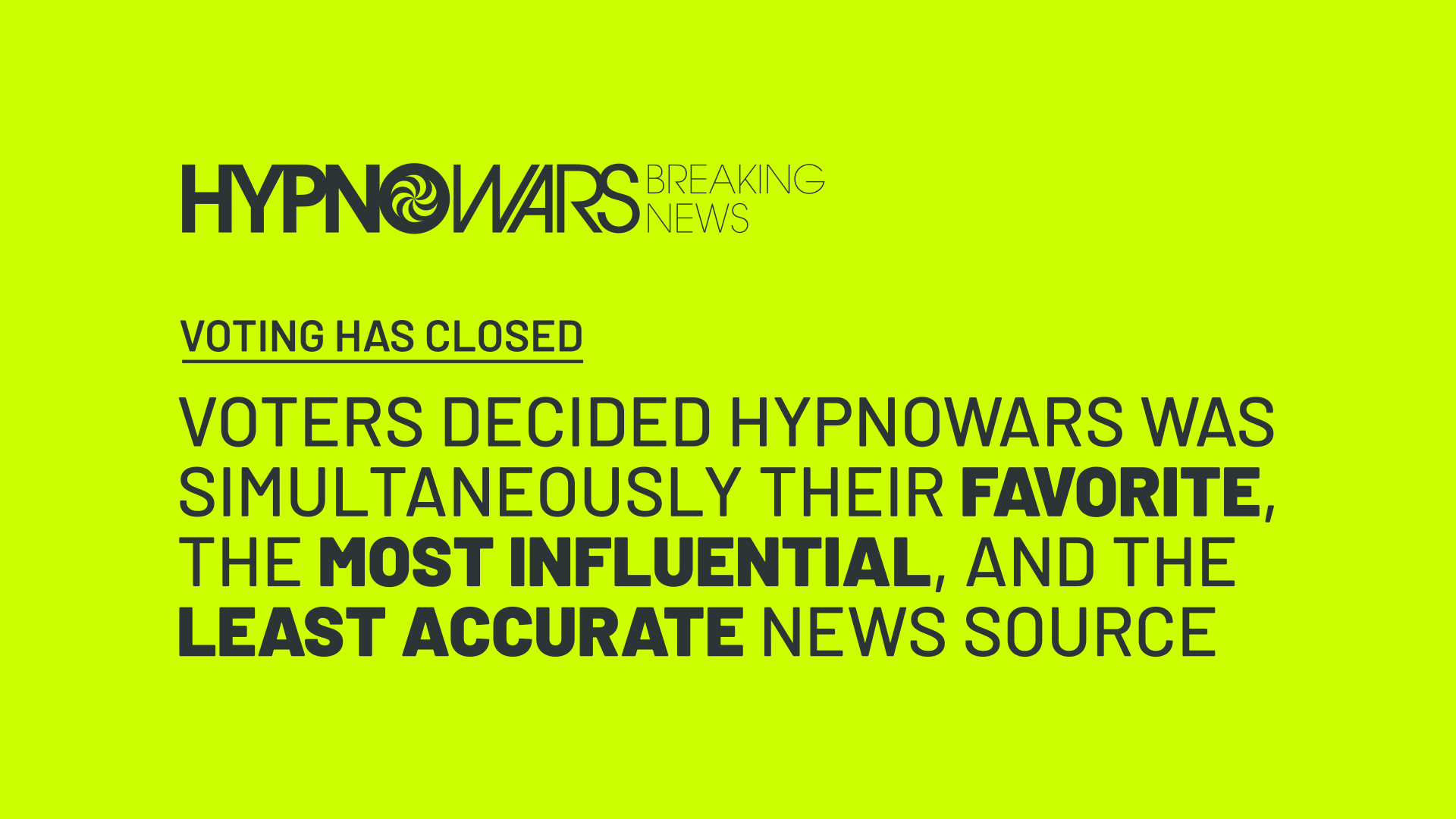
- HypnoWars maintained throughout that they were more rational than the world’s governments, ending their coverage with the headline: “Well, We Tried: How HypnoWars Was Saner Than World Governments”
Three alien factions remained: one hive collective claiming to have defended Earth for 2 million years, and two “evil alien factions” that the hive was protecting humanity from. The Capgras Delusion, it turned out, was caused by dangerous alien artifacts—the very ones the aliens wanted removed.
Russia had unearthed powerful alien weapon technology in Siberia. Several nations ended the game bankrupt. The UK and Japan remained militantly anti-alien. France’s loyalty was questioned by everyone. And the aliens’ terraforming operations—an attempt to turn Earth into “a giant battery”—had been disrupted, at least temporarily.
Humanity was divided, paranoid, and armed with nuclear weapons and partially-understood alien technology.
But alive.