
78 players. Eight factions. One Europa.
The Great War has ended, but peace is fragile in the alternate 1920+ universe. Towering diesel-punk mechs patrol borders. Noble houses scheme in the Crimean Khanate. The Rusviet Union teeters between democracy and revolution. And somewhere in the heart of Europa, the Factory—led by Nikolai Tesla’s successor—has gone mysteriously dark.
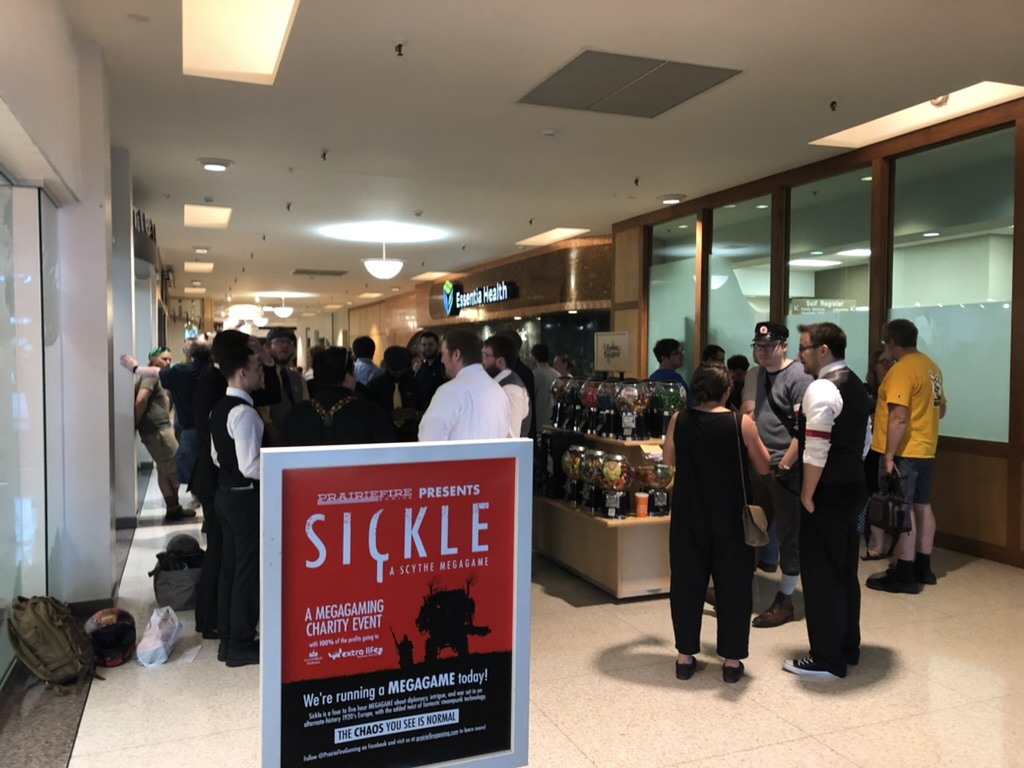
This was Sickle: A Scythe Megagame, our second megagame event. Set in Jakub Rozalski’s richly detailed world, 78 players became politicians, military commanders, diplomats, and conspirators across eight nations. What followed was six hours of border skirmishes, assassination plots, international incidents, technological breakthroughs, and one very angry khan.
It was a blast!
Envoy of the KhanCrimean KhanateThere was never a dull moment and we always had things to do—I loved seeing my plans come to fruition.
PresidentRepublic of PolaniaWe were always involved. The game forces you to be. Also, it was quite interesting being in the world of high-stakes politics.
Imperial Secretary for WarSaxony EmpireHow It Started
The factions entered an uneasy peace:
- The Rusviet Union – Democracy vs. revolution. The Tsar had abdicated to a symbolic role, but would the Provisional Government hold against communist pressure?
- Republic of Polania – Newly independent and furious about centuries of being pushed around. Would they isolate allies or unite Europa?
- Saxon Empire – The Great War forced internal reform. The Emperor now shared power with a conspiratorial senate and an even more conspiratorial house of representatives.
- Nordic Kingdom – Absolute monarchy over a disgruntled Norway and Denmark. Complex overlapping noble ranks made everything complicated.
- Crimean Khanate – Five Great Noble Houses fought to influence the Khanate while sitting on valuable fertile land and oil wealth.
- The Factory – Run by CEO Fenris after Tesla’s disappearance. Wondrous inventions… frequently weaponized.
- Albion Expeditionary Force – Led by Clan Albion, staffed by rival Clan Greyson, bankrolled by London. What could go wrong?
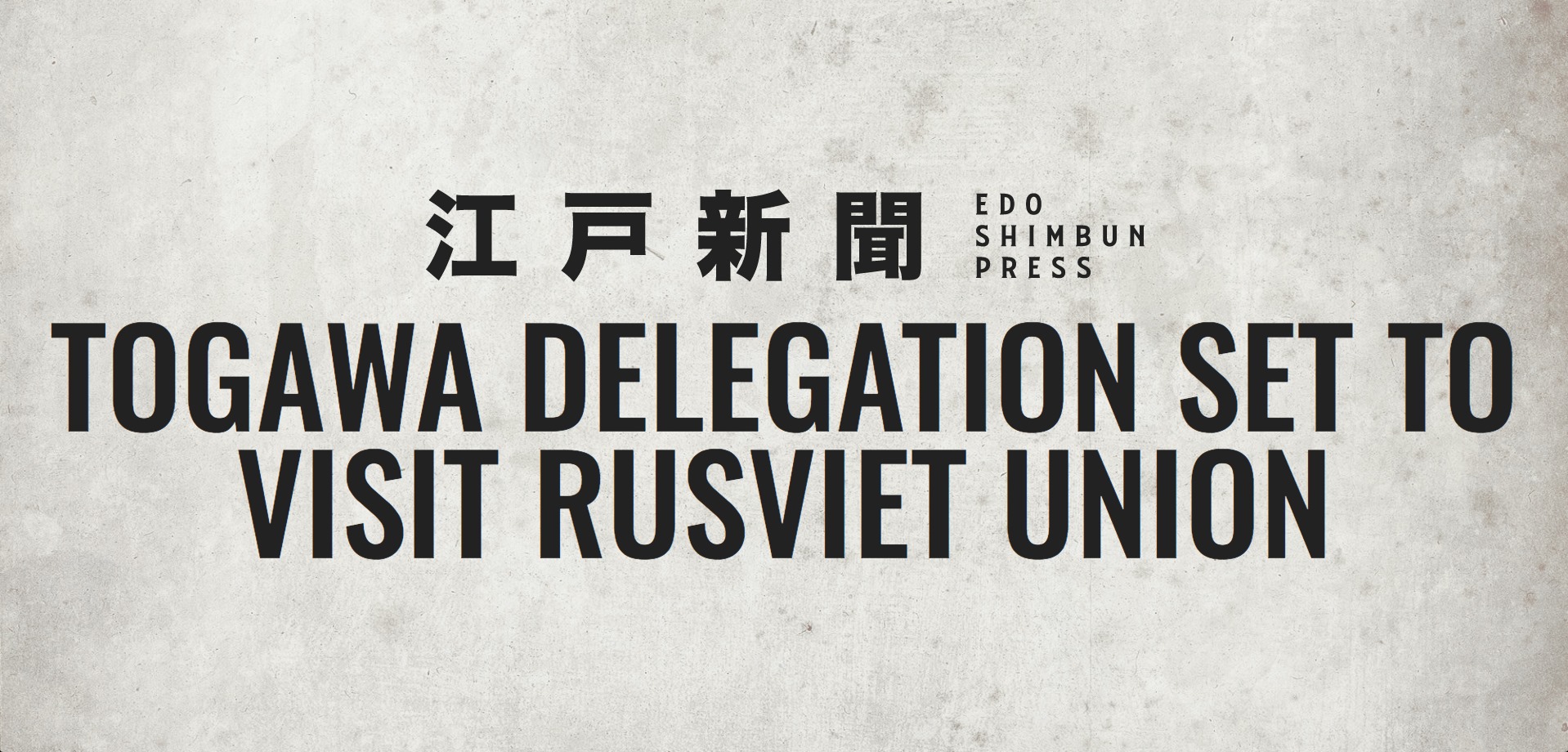
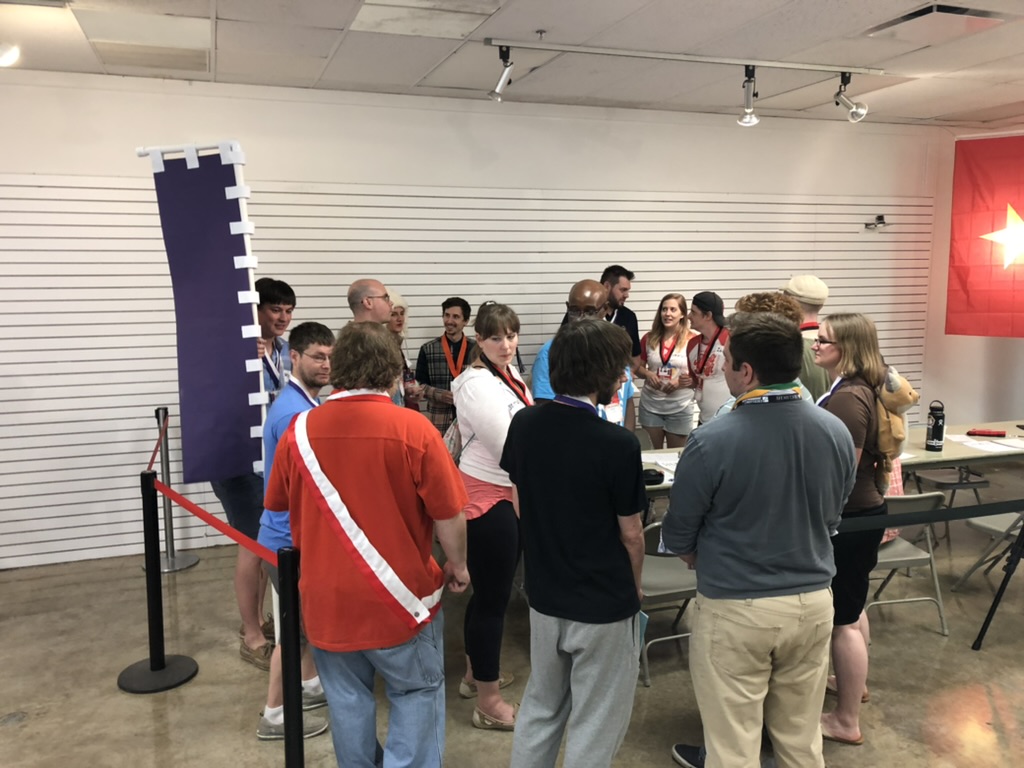
- Togawa Shogunate’s Factory Task Force – Shinobi, samurai, and warrior monks in a zeppelin, searching for the Shogun’s missing brother.
Early optimism bloomed. Polonia opened rail connections with Saxony. The Nordic Kingdom was proclaimed to have the world’s best beer (by a totally legitimate French tastemaker, definitely not an Italian guy in a basement). Trade routes formed. The Factory unveiled new initiatives.
Then the Rusviets got greedy.
How It Escalated
The Crimean Khanate sat on resources everyone wanted. The Rusviets began massing troops on the border, claiming they absolutely, definitely, pinky-promise were NOT planning an invasion. The Crimean Great Khan demanded a sign of good faith. The Rusviets responded by poisoning thousands of Cossacks at an Odessa festival—then blamed the Khanate.
Rusviet Cossacks want to invade Crimea. Why?
Pravda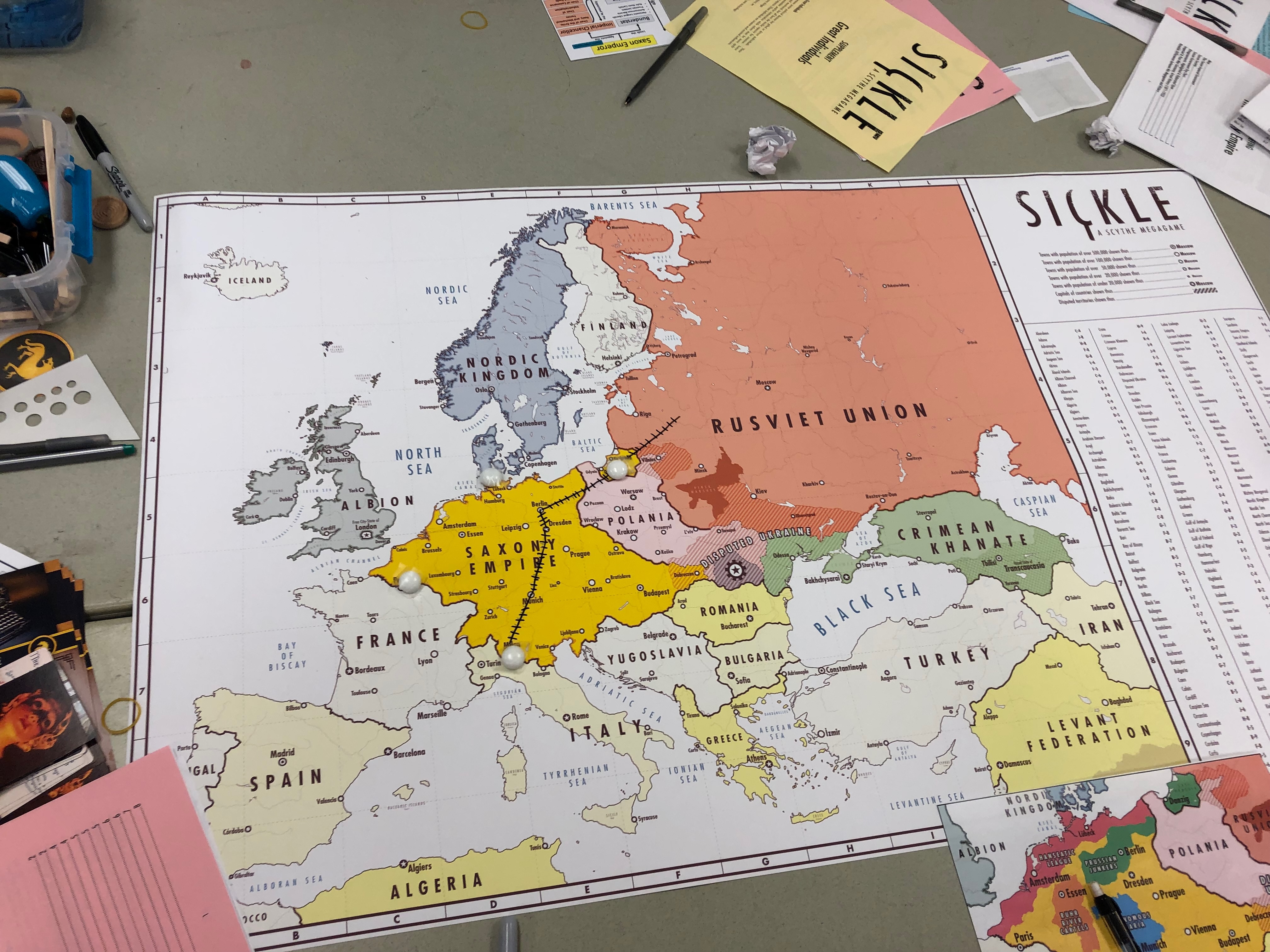
'It's Russian smut': Crimean Khan of the Blue Horde flatly denies Rusviet claims
The Times of ConstantinoplePolonia, sensing the escalation, signed a non-aggression pact with Crimea. Then upgraded it to a military alliance. The Factory and Crimea unveiled plans for a “supergun.” The Rusviets immediately announced their own supergun. Then Crimea announced an even better “super duper gun.”
Meanwhile, East Prussia seceded from Saxony, founded a global peace forum, then started charging tolls on rail travel and calling for workers worldwide to blow up railroads and stop production.
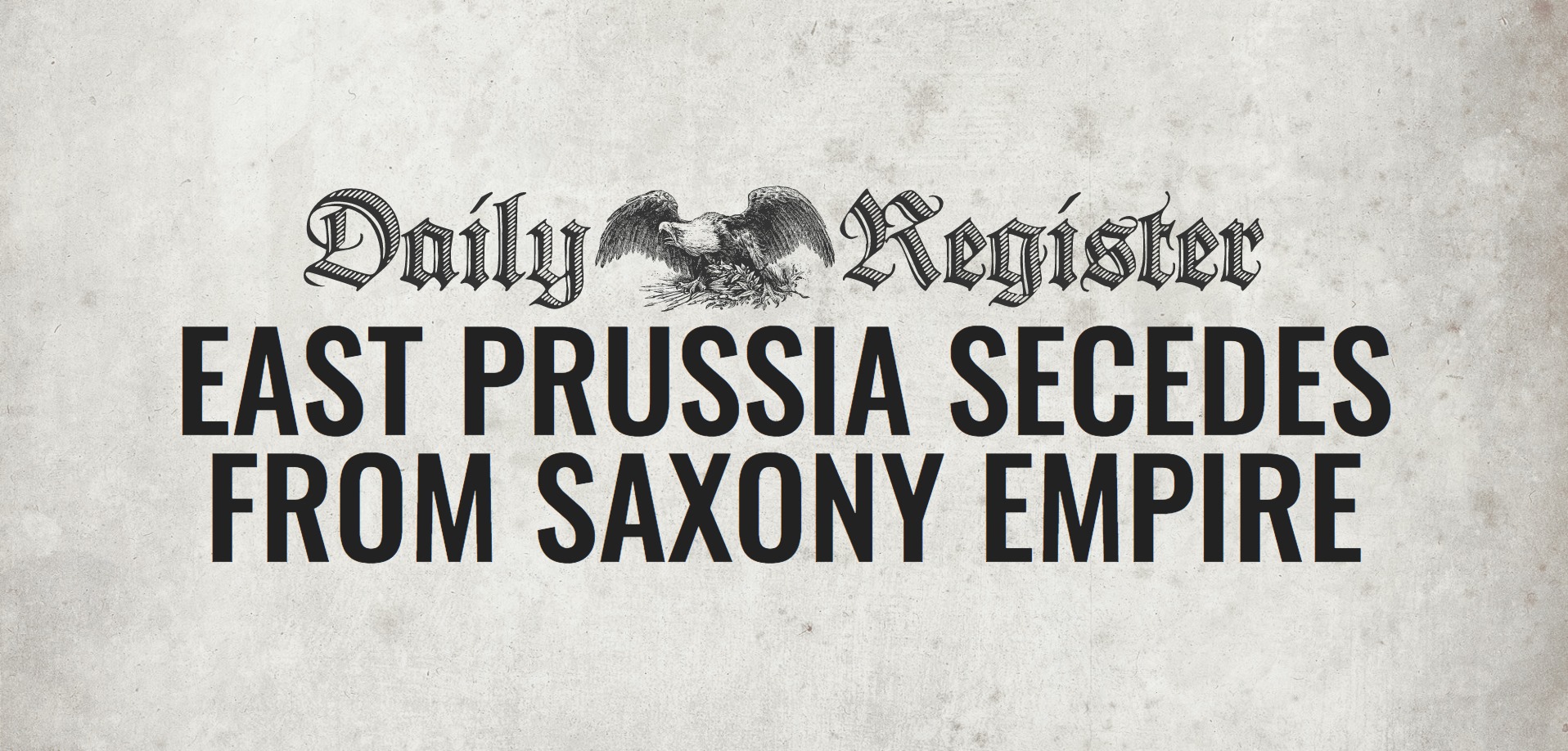
“People of Peace,” they called themselves. The global forum was supposed to unite Europa. Instead, they started issuing revolutionary directives.
'If your country has forgotten you, rise up with us'
Vox PopuliThe underground workers’ paper amplified East Prussia’s message. Stop production. Blow up the railroads. Stop the tyrants. It was chaos with a manifesto.
And then someone assassinated the Crimean Khan.
Breaking: Crimean Khan assassinated, Rusviets claim responsibility; new Khan elected
The Daily RegisterTotal Chaos
Borders closed. Borders reopened. Pro-military resistance forces surrounded Berlin. Crimean peasants revolted. Polanian dirigibles mobilized. The Nordic Kingdom rolled out new airships; Rusviets scoffed (“You guys are cute”).
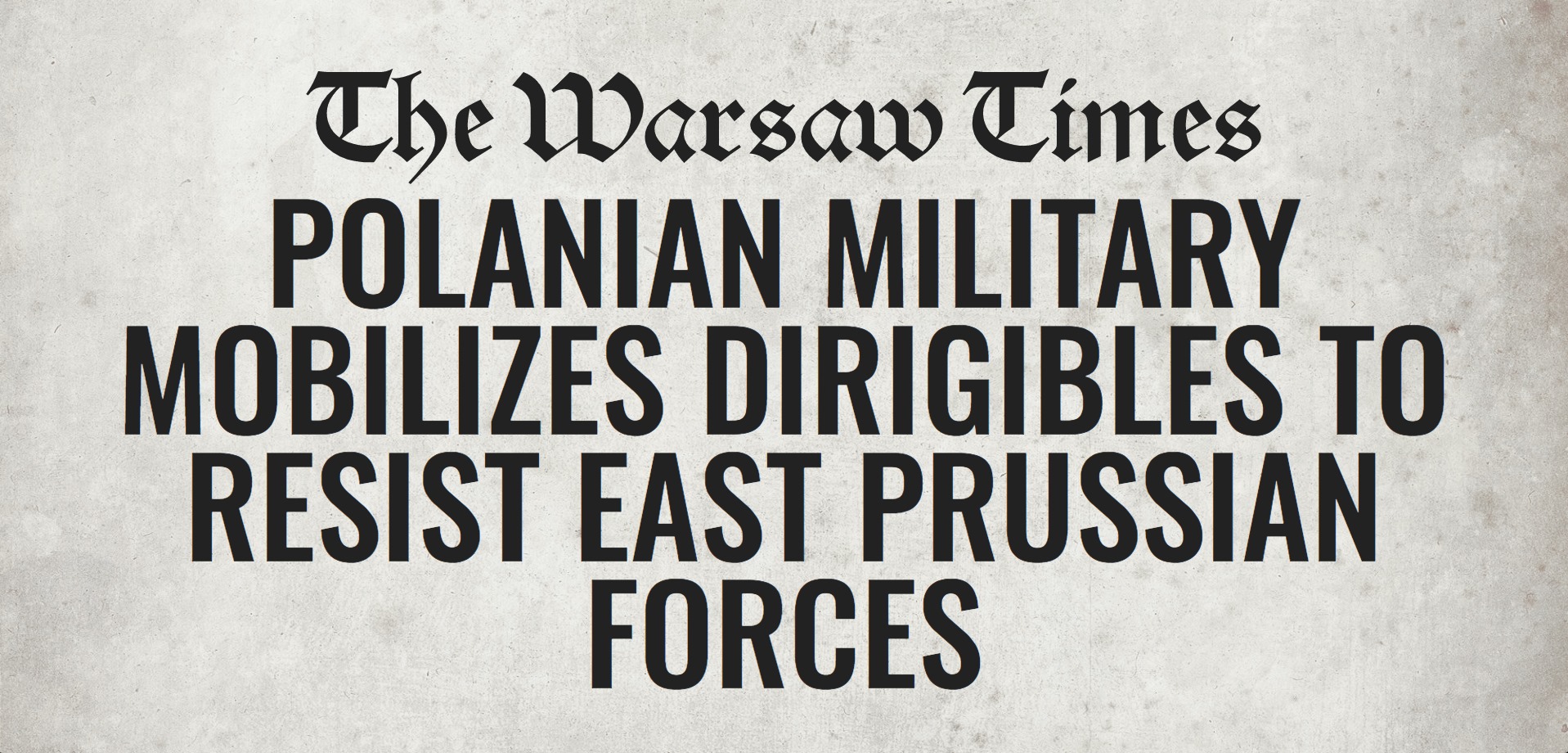
East Prussia reunited with Saxony after their brief independence experiment went sideways. Romanian revolutionaries raided Factory supply lines. Nuclear warheads paraded through Rusviet streets with the Nordic King awkwardly in attendance.
And then the Factory activated a massive blue energy shield.
Massive blue bubble surrounds the factory, travel made nearly impossible
The Factory PressNobody could get in. Nobody could get out. The Factory was effectively cut off from Europa while cyborgs fought mechs and airships with death rays over burning Romanian cities.
The Highlight Reel
The Crimean Soap Opera – Five noble houses fought for influence while dealing with Rusviet aggression, peasant revolts, assassination, poisoning allegations, and one very persistent supergun development program.
The Polanian Identity Crisis – Socialists split over reaction to Rusviet aggression. New socialist leadership seized control. Veterans got the best GI Bill in Europa. Refugees fled to the Nordic Kingdom for perogies.
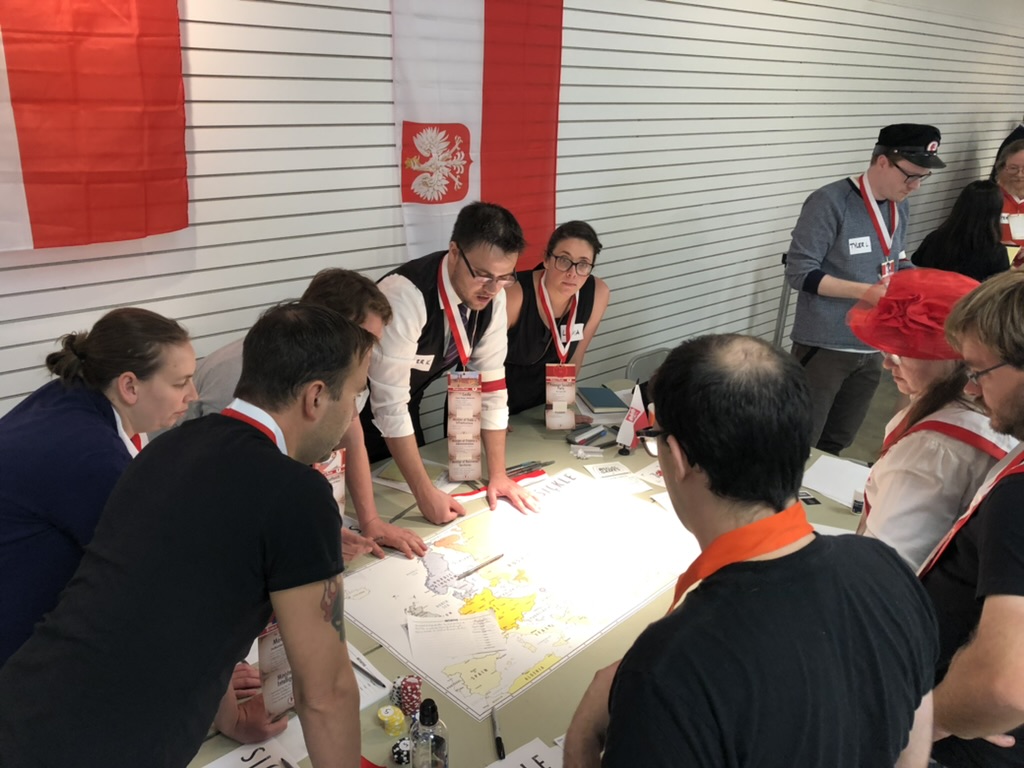
The Saxon Isolation Mystery – Saxony inexplicably closed its borders, then reopened them with no explanation. Analysts remain baffled. East Prussia came and went. The Emperor fought for legitimacy.
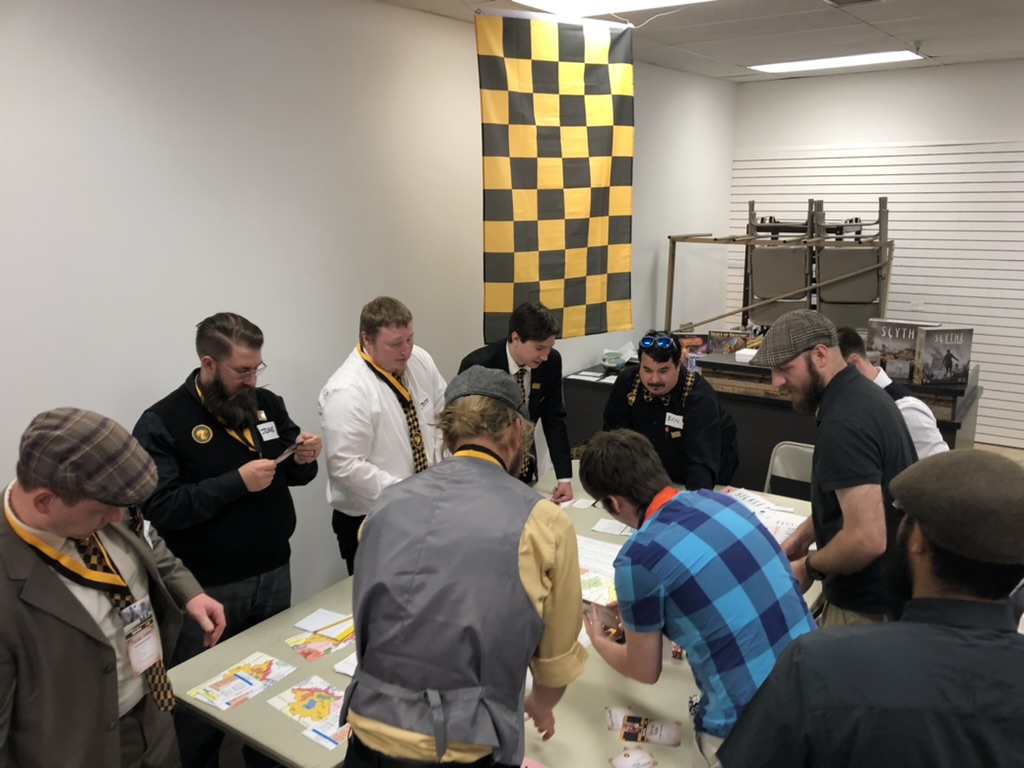
The Nordic Beer War – A “French tastemaker” proclaimed Nordic beer the best in the world. Turned out to be an Italian guy in a basement. The Berlin Post-Dispatch issued a formal eye roll. A study then indicated Nordic beer shortened lifespans. Tensions remained high.
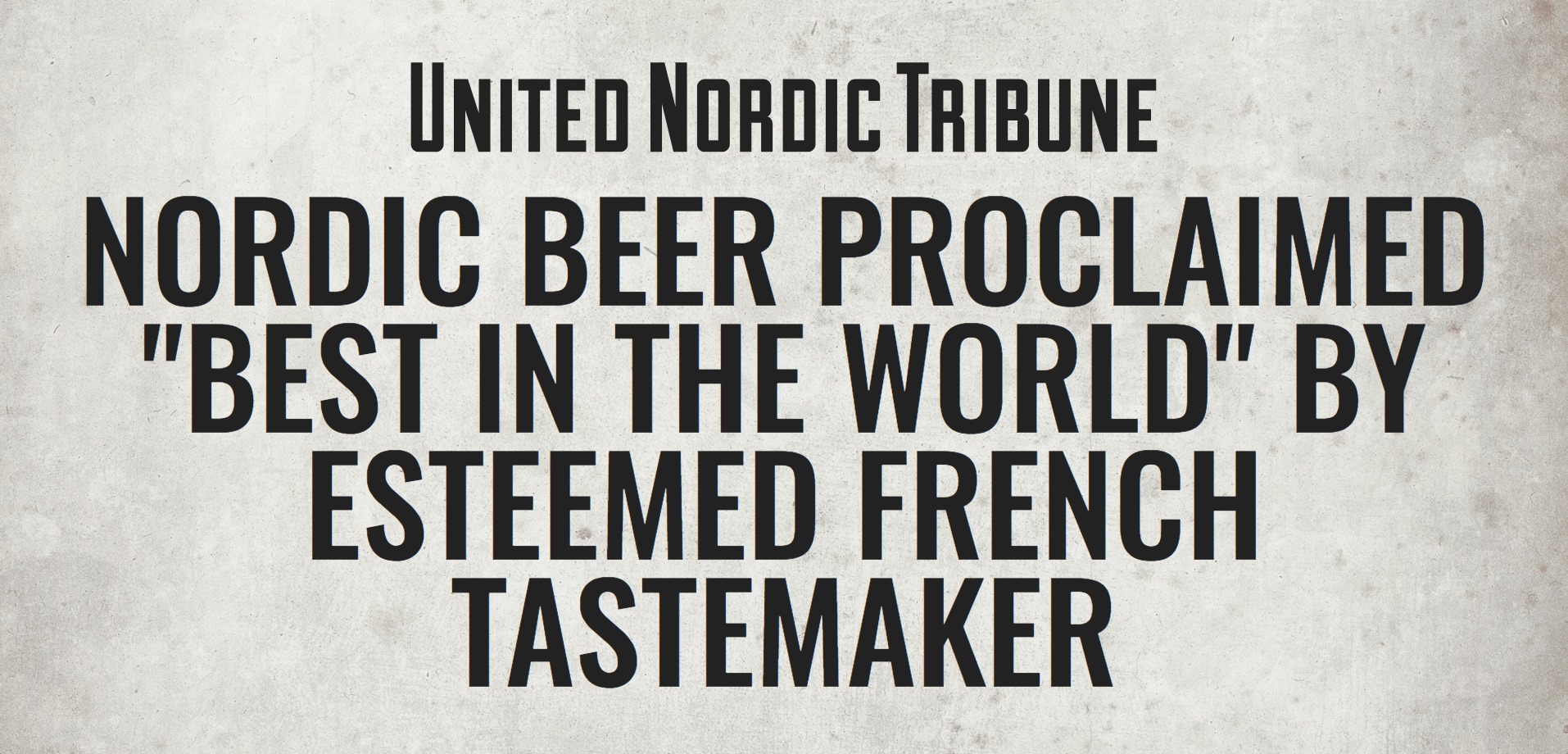
The Factory Enigma – CEO Fenris showcased reflective shielding technology, then trapped everyone inside a blue bubble while conducting exclusive deals with Togawa. The Factory Press kept publishing somehow.
The Romanian Situation – “Cyborgs VS mechs and airships with death rays, Romania is burning.” That’s the whole sentence from the official Factory Press report. Romania had a bad day.
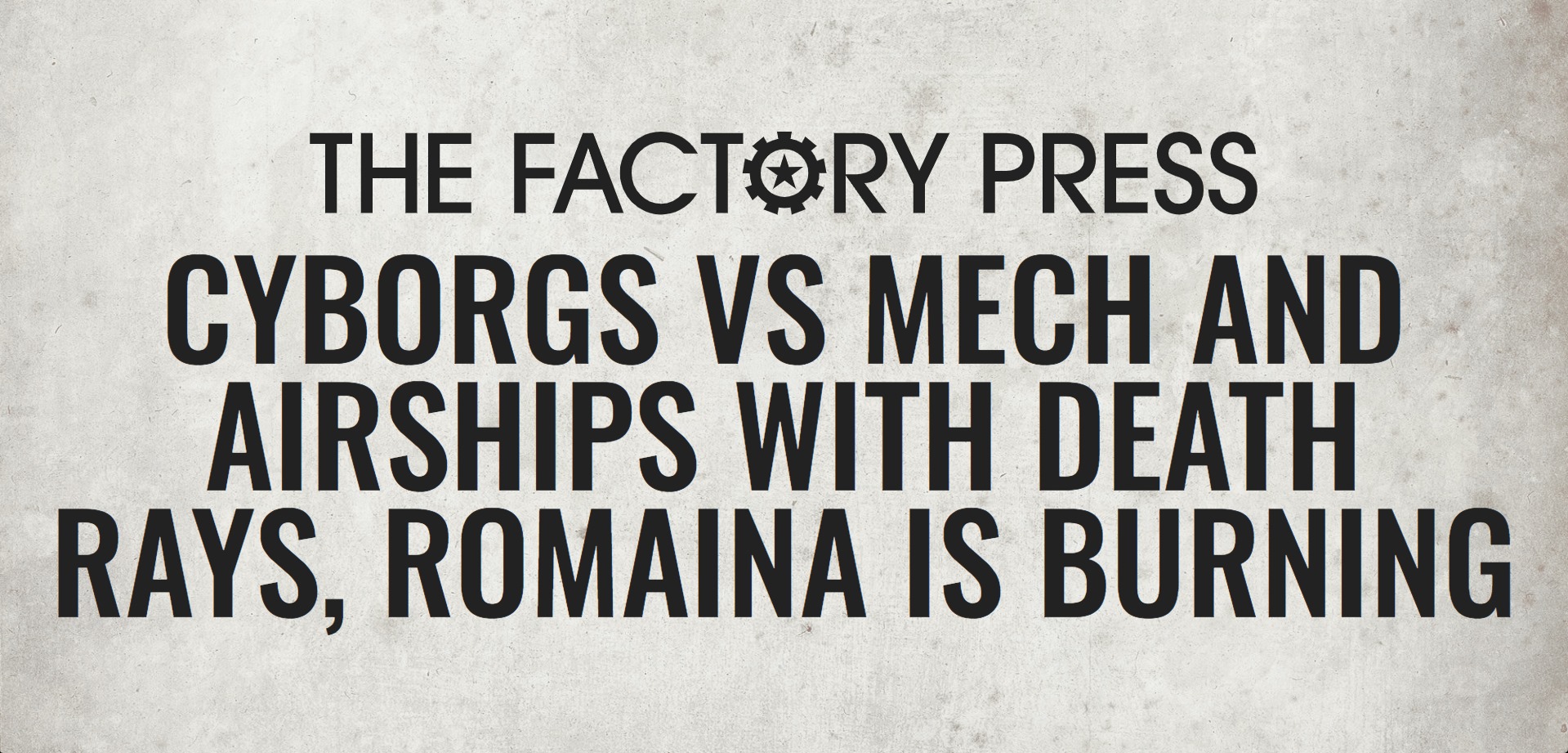
The Rusviet Nuclear Flex – “We’ll grow more food than ever before!” they announced about their nuclear technology. Then they paraded warheads through the streets. Mixed messages.
The Wrap
By the end, Crimea and Polonia had formed a mech-powered military alliance. Rusviets had seized Stavropol and secured supply lines. The Factory remained trapped in its blue bubble. Saxony had its borders open (for now). The Nordic Kingdom kept making beer. Togawa established cultural exchange programs while presumably still searching for the Shogun’s brother. (I think they found him… but that day was so chaotic I can’t quite remember.)
78 players walked out exhausted, exhilarated, and slightly confused about what had actually just happened. Alliances had formed and shattered. Wars had erupted and fizzled. Someone definitely committed war crimes. The Factory still hasn’t explained the bubble.
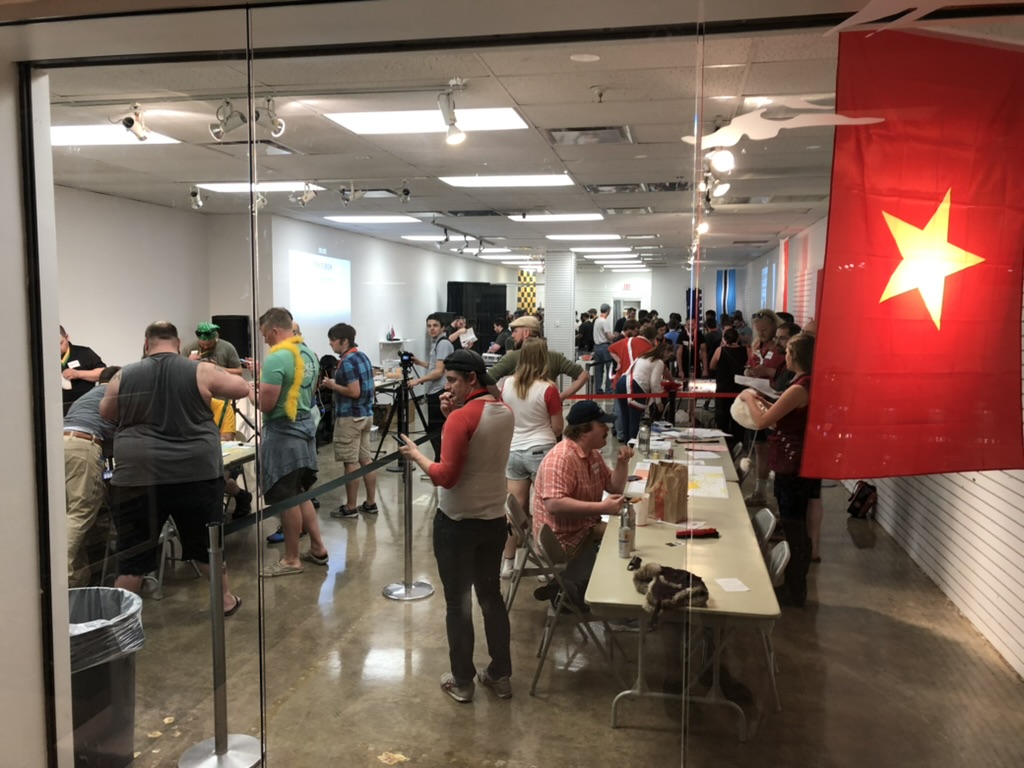
That was Sickle. Where machines could walk, the conspiracies never ended, and nobody—absolutely nobody—trusted the Rusviets.
Final Score:
- Wars Started: At least 3
- Khans Assassinated: 1
- Coups Attempted: Multiple
- Blue Bubbles Deployed: 1 (too many)
- Nordic Beer Controversies: Ongoing